The Truth about Today’s Wireless Family
We all live in a wireless world today in which the cell phone has changed the dynamics of the parent-child relationship. Three out of every four American teenagers own or use a cell phone and almost all their parents also own one. Over the last 15 years or so, this small multi-functional gadget has taken over family life, and its impact on the relationship between parents and children has been both significant and far-reaching. While a cell phone can be a powerful way for parents to stay connected to their children, things can often go wrong, such as:
Limited communication: Even when they are together, children can be engrossed for long periods in texting and playing video games, while parents can spend hours immersed in drafting replies to emails and handling phone calls from their workplace. Currently popular games like Pokémon Go make things even worse not just because of its immersive nature, but also because it keeps children outdoors and away from the parents for a longer time. This absorption nature of cell phone technology seriously affects family time and also limits communication between parents and children, leaving them with little idea of what’s going on in each other’s lives.
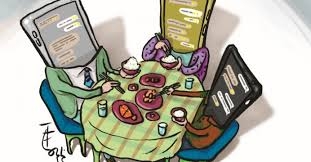
Sense of alienation: Parents use technology almost as much as their children do and often reply to e-mails, text or speak on the phone in the middle of kids' activities, having meals, and driving. This constant-connectivity forces children to compete with the cell phone for their parents' time and attention, making them feel "sad," "mad," "angry," or "lonely."
Less connection=weak relationship: Many parents and their children can be found talking and messaging constantly, checking social media, listening to music, or surfing their favorite web sites on their cell phone, when they could be talking to, playing with, or generally connecting with each other. Less time spent together means less connection and bonding, as a result of which, parents and children are unable to build or maintain a strong relationship.
To ensure that the cell phone doesn’t affect parent-child interaction, I usually ask my clients to make some important changes to promote face-to-face communication and establish certain limits on the use of mobile technology within the family.
Limit cell phone/technology time for your kids: Ideally, children should be spending one to two hours per day on their cell phone. Explain to your child that their social life won't implode if they stop checking their Facebook or Instagram account every 10 minutes, and that it’s okay to not always have a cell phone around when they’re with you in the house or outside.
Remove double standards: If you limit cell phone time for your children when they are with you, it won’t work unless you do the same for yourself. You need to sacrifice your own cell phone time to take advantage of the cell phone time sacrificed by your children and use that time to communicate and connect with each other.
Schedule technology-free family time: Talk and read to your children. Encourage and coax them to step outdoors and play with you. Sit down at the table to eat together with your children and not separately in front of the TV or with the children in their own rooms. But do all this without having your cell phones around to distract you. When spending quality time together, either keep your cell phones switched off, or on silent mode together in a tray or small basket. Setting up such boundaries on cell phone usage establishes a strong family value and gives the message to both parents and children that when you’re with someone, that relationship is your priority. Even if both the parents and children are addicted to the cell phone, it’s only a matter of retraining to find the right balance between mobile usage and family time.
If you'd like professional help improving or strengthening your relationship, contact Orly Gueron a Licensed marriage and family therapist and relationship specialist in Aventura, FL!